Introduction
In the detailed globe of health care, making certain that patients obtain sufficient nutrition is vital. For people who can not eat food orally as a result of clinical problems, Percutaneous Endoscopic Gastrostomy (PEG) feeding supplies an important option. But how do medical care experts shift from theoretical understanding to practical application? This article checks out "From Theory to Method: Practical Abilities in PEG Feeding Training," delving into the significance of training programs such as NDIS PEG feeding training and enteral feeding support training courses.
What is PEG Feeding?
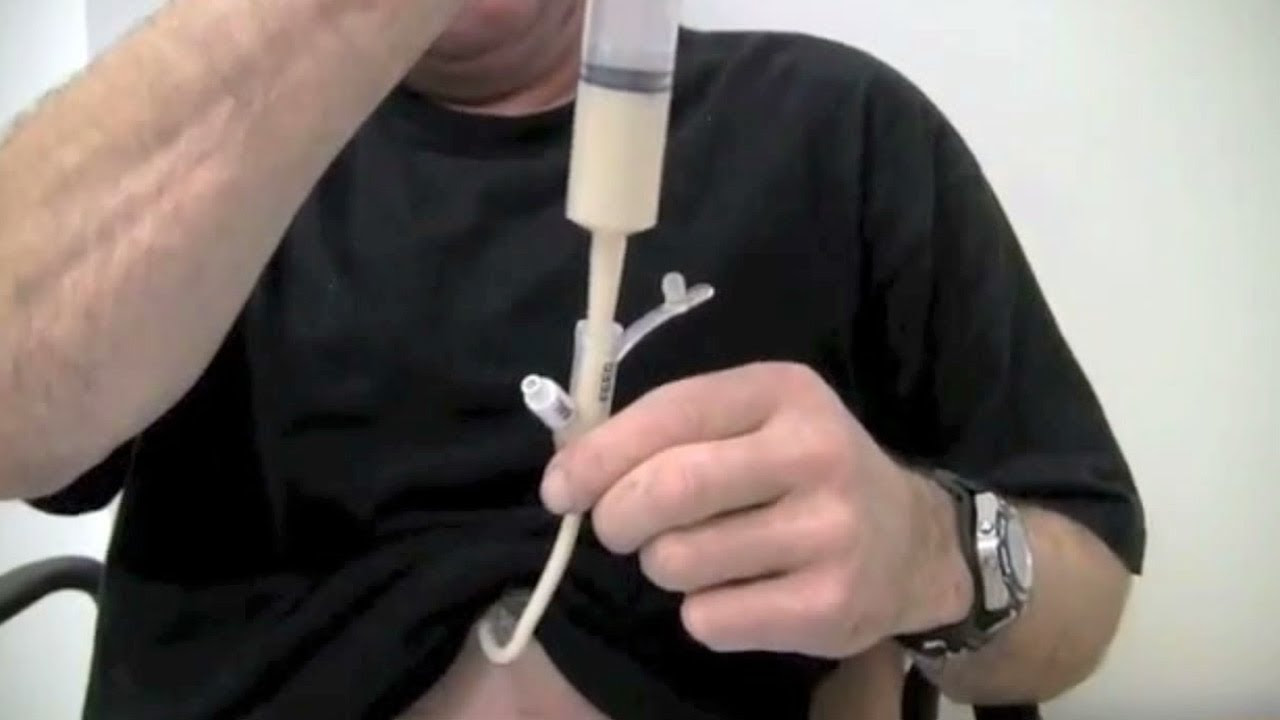
PEG feeding includes placing a tube straight into the belly via the abdominal wall, enabling nutritional support when oral intake isn't possible. This form of enteral nutrition can be essential for individuals with different medical conditions, consisting of neurological problems, cancers influencing ingesting, and extreme organ dysfunction.
The procedure involves several phases:
- Patient Assessment: Assessing the client's need for PEG. Procedure: Placing television under endoscopic guidance. Post-Procedure Care: Making certain appropriate feature and handling complications.
Understanding these facets creates the structure of efficient PEG feeding training.
The Value of PEG Training for Healthcare Professionals
Understanding Enteral Nutrition Support
Enteral nutrition support is essential in various scientific settings. As healthcare providers experience individuals calling for PEG feeding much more frequently, recognizing the intricacies involved ends up being progressively vital. Enteral feeding makes sure that individuals obtain needed nutrients while decreasing the threat of poor nutrition and its connected complications.
The Role of NDIS PEG Feeding Training
The National Impairment Insurance policy Plan (NDIS) offers tailored training programs created particularly for assistance workers associated with treatment shipment. NDIS PEG feeding training highlights both theoretical understanding and functional skills, ensuring that professionals are prepared to take care of complex person requires effectively.
Benefits of Peg Educating Courses
Peg training courses provide an organized strategy to mastering enteral feeding support course necessary abilities:

- Hands-On Experience: Participants get useful exposure. Expert Guidance: Pick up from skilled clinicians. Certification: Acquire credentials that improve specialist credibility.
Key Elements of Efficient PEG Feeding Training
Curriculum Overview
A reliable curriculum integrates numerous parts:
Basic Composition and Physiology Indications for PEG Feeding Insertion Techniques Complications Management Patient EducationThis extensive strategy not just outfits participants with the necessary skills yet additionally promotes a much deeper understanding of individual treatment nuances.
Theoretical Understanding vs Practical Application
While theoretical knowledge provides a foundation, sensible application strengthens discovering:
- Simulation Training: Using mannequins or simulated environments permits students to exercise without risk. Real-Life Scenarios: Engaging with actual instances advertises critical reasoning and improvisation.
From Concept to Technique: Practical Abilities in PEG Feeding Training
Effective changes from concept to exercise require a concentrate on crucial skills that make certain secure and effective person treatment:
Insertion Techniques: Proficiency over various techniques of tube insertion improves confidence. Feeding Regimens: Understanding various formulas and administration methods makes sure optimal nutrition. Monitoring: Regular analysis techniques help recognize prospective difficulties very early on.Enteral Feeding Assistance Course Overview
Structure of Enteral Feeding Support Courses
These courses normally cover:
- Fundamentals of enteral nutrition Tube positioning techniques Managing complications Cultural considerations in individual care Patient education strategies
By participating in enteral feeding support training courses, experts obtain vital understandings into providing comprehensive care.
Peg Training for Registered nurses and Assistance Workers
Specialized Curriculum for Nurses
Nurses play a vital function in handling enteral feeding systems. Their training frequently includes sophisticated subjects such as:
- Patient evaluation strategies Interdisciplinary partnership Advanced troubleshooting
Peg Training for Assistance Workers
Support employees need to recognize both functional skills and emotional facets of person care, concentrating on:
- Supporting patients mentally throughout transitions Educating households concerning home treatment post-discharge
Best Practices in PEG Feeding Management
Establishing Guidelines
Healthcare facilities must create clear standards detailing best methods for managing patients with PEG tubes:
Regular assessments Monitoring hydration status Preventing infection at insertion sitesThese standards ensure consistency throughout treatment teams.
Communication Among Team Members
Effective interaction among employee substantially influences patient end results:
- Regular interdisciplinary meetings Use of standardized documents techniques
The Function of Technology in Enhancing Knowing Experiences
Technology plays a progressively important function in educational settings, allowing for:
Virtual simulations Online sources and information sharing Remote mentoring possibilitiesThese technologies boost learning experiences by providing varied instructional tools.
Addressing Typical Obstacles Faced Throughout PEG Feeding Training
Managing Difficulties Effectively
Common problems include tube dislodgment or blockage, which can bring about major concerns otherwise attended to quickly:
Ensure staff is trained on acknowledging signs early. Implement protocols for immediate response.Emotional Difficulties Faced by Patients
Transitioning to PEG feeding can be overwhelming for people; therefore, supplying psychological assistance throughout this procedure is critical:
Develop compassion through role-playing workouts throughout training sessions. Encourage open conversations about worries with patients and their families.FAQs Concerning PEG Feeding Training
1. What certifications are needed for going into peg training courses?
Most peg training courses require participants to have fundamental medical care qualifications or experience working in related areas such as nursing or personal assistance work.
2. How long does a normal peg feeding course last?
Typically, peg feeding training courses last anywhere from one day approximately a number of weeks depending upon the deepness of web content covered and whether they include functional assessments.
3. Are there certification choices readily available upon completion?
Yes! Several companies use certifications upon successful completion of peg feeding training courses which can boost your expert credentials significantly.
4. What are some typical difficulties associated with fix feeding?
Common problems might consist of infection at the insertion website, tube dislodgment, desire pneumonia as a result of inappropriate placement or monitoring issues.
5. Can family members be educated along with healthcare providers?
Absolutely! Household participation is encouraged because they often play an important role in ongoing individual care adhering to discharge from hospital settings.
6. How typically must evaluations take place after initiating fix feedings?
Regular analyses must occur daily initially until maintained; afterwards weekly checks are advised unless changes develop necessitating a lot more regular evaluations.
Conclusion
In conclusion, transitioning "From Theory to Practice: Practical Skills in PEG Feeding Training" envelops a vital element of contemporary health care education focused on enteral nutrition support approaches like those found within NDIS peg feeding training programs or extensive enteral feeding support training courses tailored particularly toward nurses & & assistance workers alike! By accepting this all natural approach-- stabilizing theory with hands-on expertise-- healthcare experts are well-equipped not simply practically but also psychologically sustaining their clients throughout every stage-- from initial insertion right with long-term monitoring making certain ideal quality-of-life factors continue to be undamaged relocating forward!
This write-up has checked out various elements bordering functional abilities development pertaining particularly towards reliable shipment devices surrounding important interventions like percutaneous endoscopic gastrostomy (PEG) feedings! Whether you're taking into consideration signing up into corresponding trainings yourself or merely looking for enlightenment pertaining to methods being used today-- you now have very useful expertise paving pathways towards future successes!