Introduction
In the landscape of nutritional support, enteral and parenteral nourishment stand as 2 primary approaches for providing important nutrients to individuals who can not satisfy their nutritional requirements through requirement dental consumption. This article delves into the distinctions in between these two kinds of nourishment, shedding light on their interpretations, applications, benefits, and training perspectives. With an expanding focus on tailored nutritional support, comprehending these distinctions is vital for medical care experts, especially those involved in nursing and allied health.
Understanding the Differences Between Enteral and Parenteral Nutrition: A Training Perspective
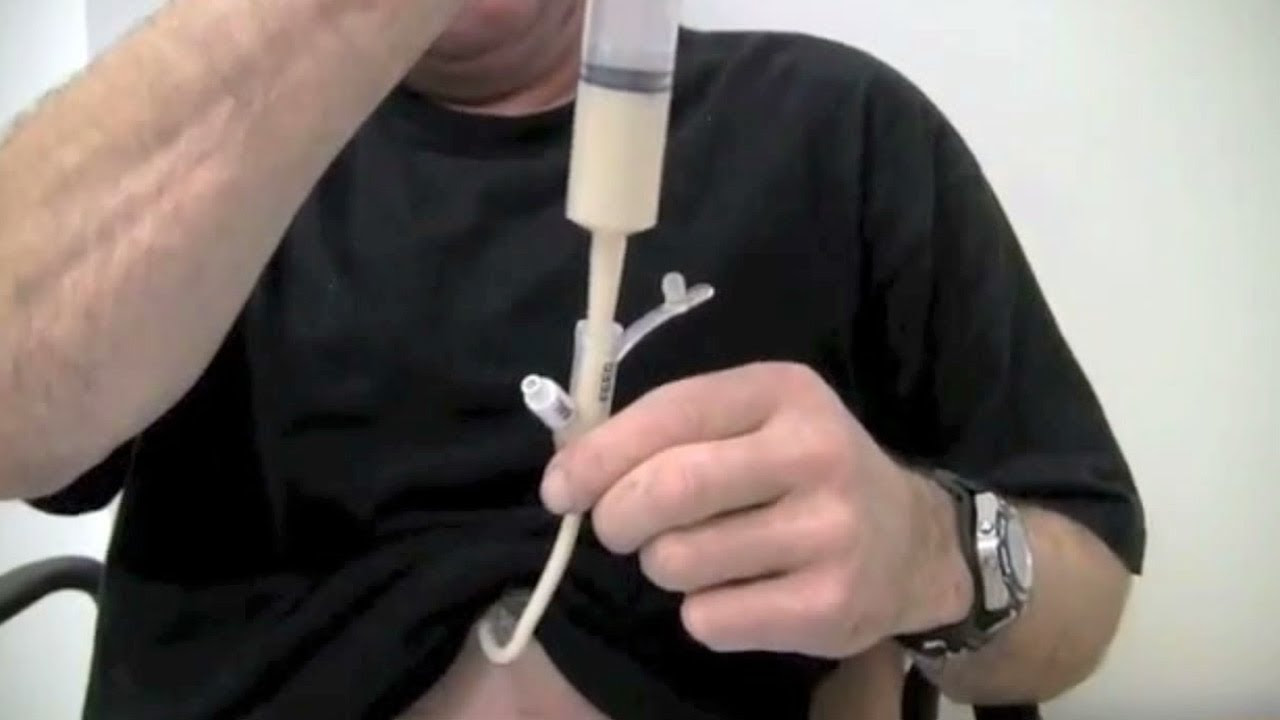
Enteral nourishment (EN) refers to the delivery of nutrients straight into the intestinal tract, usually via a feeding tube such as a PEG (Percutaneous Endoscopic Gastrostomy) tube. On the other hand, parenteral nourishment (PN) includes providing nutrients intravenously, bypassing the gastrointestinal system entirely. This fundamental distinction affects whatever from client option to training demands for health care providers.

What is Enteral Nutrition?
Enteral nourishment is developed for people that have working digestion systems however are not able to take in food orally because of medical problems such as stroke, neurological problems, or dysphagia. EN can be provided via different methods:
- Oral Supplements: Nutritional consumes that supplement meals. Feeding Tubes: Including nasogastric tubes (NG), gastrostomy tubes (PEG), and jejunostomy tubes.
What is Parenteral Nutrition?
Parenteral nutrition caters to individuals who can not utilize their stomach tracts efficiently because of problems like bowel obstruction or extreme pancreatitis. PN provides complete dietary assistance with:
- Total Parenteral Nutrition (TPN): A complex combination of carbohydrates, healthy proteins, fats, vitamins, and minerals supplied straight into the blood stream by means of central venous access.
The Value of Training in Nutritional Support
As medical care comes to be progressively specialized, training procedures are vital in guaranteeing risk-free and reliable management of both enteral and parenteral nutrition. Specialized training courses like the NDIS PEG Feeding Training and enteral feeding support programs furnish nurses and assistance employees with essential skills.
Enteral Feeding Assistance Course Overview
This program focuses on:
- Assessing person requirements for enteral feeding. Learning about various types of enteral formulas. Practical skills for tube insertion and maintenance.
PEG Training for Nurses
Nurses play a vital duty in handling people with PEG tubes. Training consists of:
- Understanding indicators for PEG placement. Techniques for risk-free tube care. Recognizing difficulties such as infections or blockages.
Comparative Evaluation of Enteral vs. Parenteral Nutrition
|Element|Enteral Nourishment|Parenteral Nutrition|| -------------------------------|--------------------------------------|---------------------------------------|| Course|Stomach system|Intravenous|| Indicators|Practical GI system|Non-functional GI system|| Nutrient composition|Whole foods/formula|Customized TPN solution|| Risk elements|Tube-related issues|Infection threat from IV gain access to|| Price|Usually reduced|Higher due to complex solutions|
Benefits of Enteral Feeding over Parenteral Feeding
Preservation of Intestine Integrity: EN maintains gut function by promoting mucosal integrity. Lower Infection Risks: Compared to PN, EN has a lowered danger of infections since it does not include capillary access. Cost-effectiveness: EN generally costs much less than PN as a result of fewer required resources.When is Parenteral Nourishment Necessary?
While enteric courses are favored when possible, PN ends up being necessary in scenarios such as:
- Severe malabsorption syndromes. Inflammatory digestive tract disease exacerbations. Short bowel disorder complying with medical resections.
Key Elements of Effective Enteral Feeding Training Programs
Training programs must integrate thorough curricula covering numerous elements:
1. Makeup and Physiology Related to Digestive System Health
Understanding how the stomach system works ensures experts can make informed decisions pertaining to feeding methods.

2. Assessment Skills
Healthcare service providers need training in evaluating signs that dictate whether a client calls for enteric or parenteric feeding options.
3. Tube Management Techniques
Learning correct techniques for insertion and monitoring minimizes dangers connected with feeding tubes.
4. Monitoring Person Progress
Regular surveillance helps evaluate dietary standing while readjusting plans based upon individual responses.
FAQs Regarding Enteral and Parenteral Nutrition
1. What is PEG Feeding?
PEG feeding refers especially to delivering nutrients via a percutaneous endoscopic gastrostomy tube placed straight right into the stomach.
2. When need to I consider utilizing an enteral feed?
Consider using an enteric feed when a person has a functional stomach system yet advanced peg feeding training can not eat food orally as a result of different health and wellness issues.
3. What are some typical difficulties related to PEG feeds?
Common issues consist of infection at the insertion website, tube dislodgment or obstruction, and aspiration pneumonia if feeds are not taken care of correctly.
4. For how long can a private continue to be on parenteral nutrition?
Patients can remain on parenteral nutrition forever if very closely kept an eye on; nevertheless, lasting usage might cause issues like liver damage or nutrient deficiencies.
5. Can enterally fed clients also get dental intake?
Yes! Lots of people might still consume small amounts orally if they have some ingesting ability; this need to constantly be evaluated individually.
6. What qualifications are readily available for specialists taking care of PEG feeds?
Various courses supply accreditation in PEG feeding strategies consisting of peg feeding training courses details to Australia that provide necessary expertise and skills.
Conclusion
Understanding the distinctions in between enteral and parenteral nutrition from a training viewpoint is important for healthcare practitioners that aim to offer optimal take care of their patients needing nutritional support. Both techniques have distinct applications which highlight their special roles within clinical settings-- making certain that regardless of the approach used, individuals get secure and efficient nutritional therapy tailored to their private needs.