Introduction
In the ever-evolving landscape of medical care, specialized training has actually come to be crucial for nurses to give optimum client care. One location that has actually garnered substantial focus is PEG (Percutaneous Endoscopic Gastrostomy) feeding. As more patients call for enteral nutrition because of different clinical problems, it becomes essential for registered nurses to be equipped with the best abilities and expertise. This write-up dives deep right into why every registered nurse needs to take into consideration specialized PEG feeding training, discovering its advantages, approaches, and the significance of constant education and learning in nursing.
What is PEG Feeding?
PEG feeding refers to an approach of providing nourishment directly into the belly through a PEG tube. This treatment is generally used for clients who can not consume food orally as a result of conditions like neurological disorders, head and neck cancers, or extreme dysphagia. Registered nurses play a pivotal function in managing PEG-fed patients, making specialized training essential.
Why Every Nurse Ought to Think About Specialized PEG Feeding Training
Specialized training in PEG feeding furnishes registered nurses with important strategies and understanding necessary for providing high-grade client treatment. This training course supplies insight right into enteral feeding methods, dietary demands analysis, and individual management strategies.
The Relevance of Enteral Nourishment Support
Enteral nourishment assistance is crucial for clients calling for long-term dietary support because of inability to consume orally. In peg training for nurses healthcare facilities and homecare settings alike, recognizing how to apply PEG feeding can significantly improve individual outcomes.
Understanding Enteral Feeding
Enteral feeding entails providing nutrients directly into the gastrointestinal system. It is normally favored over parenteral nourishment since it keeps gut stability and advertises far better absorption of nutrients.

Nurses' Duty in Enteral Feeding Management
Nurses are often at the leading edge when it involves handling people on enteral feeds. Their duties consist of:
- Assessing nutritional needs Administering feed using PEG tube Monitoring for complications Educating family members regarding care procedures
Benefits of Specialized PEG Feeding Training
Investing time in specialized training supplies various benefits:
Improved Client Outcomes
With appropriate training, nurses can ensure that individuals obtain appropriate nourishment customized to their medical needs. This brings about enhanced healing times and overall health.
Enhanced Confidence and Competence
Specialized courses such as enteral feeding support training courses reinforce registered nurses' self-confidence in handling intricate instances involving PEG tubes.
Keeping Existing with Ideal Practices
Healthcare guidelines develop constantly; therefore, ongoing education makes certain that nurses stay educated about the most up to date evidence-based techniques surrounding enteral nutrition support.
Career Innovation Opportunities
Those that pursue specialized training can open doors to innovative duties within their area. For instance, ending up being a clinical nurse specialist in enteral nourishment can be a practical career path.
What Does Specialized PEG Feeding Training Involve?
Understanding what these specialized programs entail can help registered nurses make educated decisions concerning their specialist development.
Curriculum Summary: Enteral Feeding Training Courses
Courses typically cover:
- Types of enteral feeding Indications for using PEG tubes Procedure for insertion and maintenance Nutritional evaluations Identifying problems connected to enteral feeding
Hands-On Method: The Practical Element of Training
Most programs consist of hands-on technique scenarios where nurses can apply theoretical knowledge under supervision-- this practical experience is very useful when handling real-life situations.
Different Sorts of PEG Training Programs Available
There are different options available for registered nurses thinking about obtaining their accreditation:
Short Training courses vs. Prolonged Programs
While short programs may offer an introduction and standard skills needed for safe administration of enteral feeds, extended programs may dive deeper right into professional standards and progressed nursing practices.
Online vs. In-Person Learning
With improvements in technology, numerous organizations provide both online components and in-person workshops dealing with different understanding preferences.
Recognizing Difficulties Connected with PEG Feeding
Understanding problems connected to PEG feeding is crucial for reliable individual monitoring:
Common Issues: A Quick Guide
|Problem|Description|| --------------------------|---------------------------------------------------|| Infection|Regional or systemic infections from catheter website|| Tube Displacement|Unintentional dislodgment causing incorrect feed shipment|| Blockage|Blockages caused by incorrect medication formula or poor purging|| Gastrointestinal Concerns|Queasiness or bloating because of fast feed management|
Monitoring Strategies for Reliable Management
Regular tracking helps recognize these concerns at an early stage. Nurses must consistently examine insertion websites and evaluate individual resistance in the direction of feeds.
The Process of Administering Enteral Feeds using a PEG Tube
Administering feeds requires thorough interest to information:
Preparation Actions for Safe Administration
Gather all necessary equipment. Verify medical professional's order regarding kind and amount of feed. Check placement of television by aspirating stomach contents.Administering Feed Safely
The actual procedure involves:
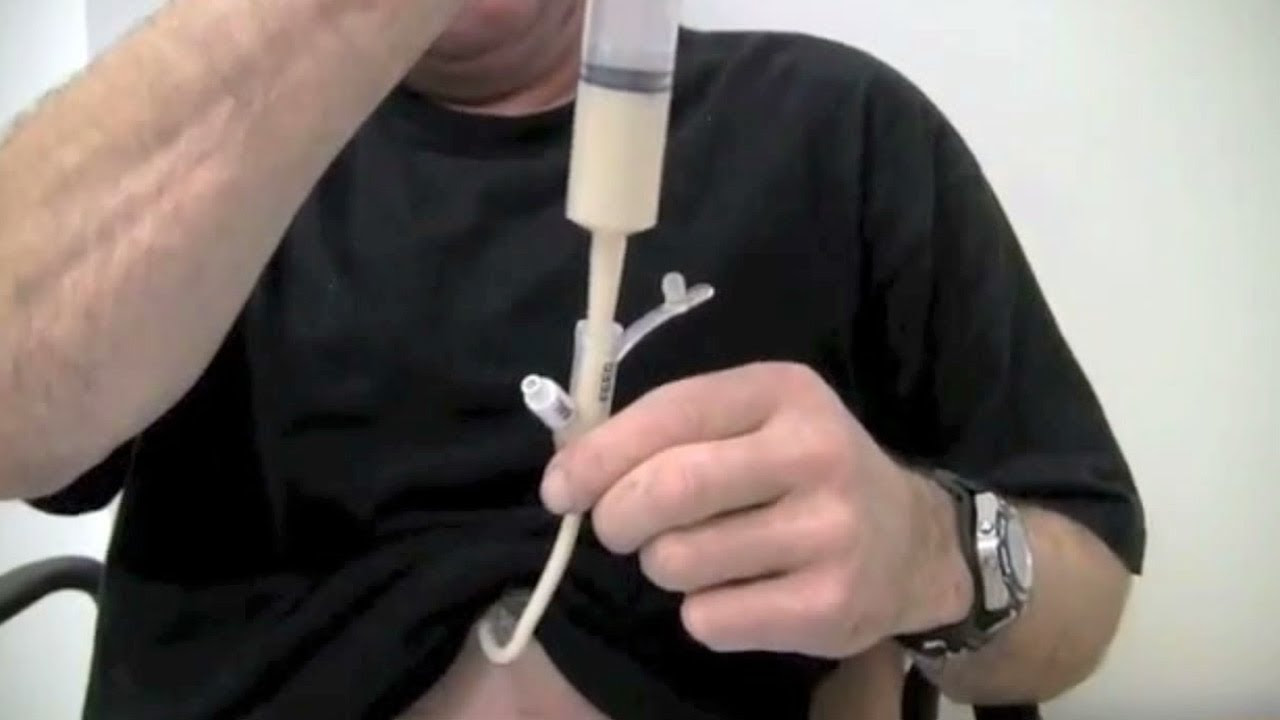
Positioning the patient appropriately (usually upright). Administering feed slowly while observing client reactions. Flushing the tube afterward with water according to protocol.Educating Sufferers & Family members on Care Procedures
Part of a nurse's function entails family education and learning relating to treatment strategies:
Key Subjects for Education and learning Sessions
- Recognizing indications of complications Proper strategies for cleansing the insertion site Instructions on exactly how to provide feeds at home
Creating Educational Materials
Providing written materials can enhance spoken guidelines given during discharge planning sessions.
Utilizing Technology in Enteral Nutrition Support
Technology plays a progressively critical function in boosting nursing method concerning enteral nutrition support:
Digital Devices Available for Nurses
Various applications aid with tracking intake/output proportions or determining calorie requirements based on weight adjustments-- a tool worth considering!
Telehealth Approaches for Continuous Individual Support
Telehealth platforms enable continuous interaction between doctor and family members, making sure effective follow-up post-discharge from medical facility settings.
FAQ Section
Here are some regularly asked concerns regarding specialized PEG feeding training:
1. What credentials do I need in the past signing up in a peg feeding course?
Most training courses need candidates to have standard nursing qualifications-- such as a registered nurse or LPN permit-- and some might favor previous experience in essential treatment settings.
2. How much time does it require to complete a secure training course?
Course period varies widely; brief programs might last just a few days while thorough programs could extend numerous weeks-- guarantee you select one that fits your routine best!
3. Is there continuous assistance after completing my secure training?
Many establishments supply resources post-training-- consisting of accessibility to online forums where you can ask concerns or consult from knowledgeable experts within this specialized area!
4. Can I teach others about peg feeding after completing my training?
Yes! As soon as licensed, you'll likely have opportunities not simply within your work environment yet also community outreach campaigns focused on informing caretakers regarding secure practices bordering enterally fed patients!
5. Exist any type of accreditations specifically customized towards NDIS peg feeding training?
Absolutely! A number of organizations offer accreditation particularly geared towards fulfilling National Disability Insurance policy Plan (NDIS) standards-- these programs focus heavily on practical abilities in addition to compliance-oriented material appropriate across Australia!
6. What resources are available if I desire added details prior to deciding?
Numerous online platforms exist featuring articles discussing both academic structures together with useful understandings pertaining specifically towards finest practices around providing peg feeds effectively throughout diverse populations!

Conclusion
In recap, specialized PEG feeding training is a very useful possession every nurse ought to think about pursuing as component of their professional development journey within health care systems today! Not just does it boost capability required when taking care of susceptible populations calling for enterally provided nourishment-- it likewise equips individuals toward making educated decisions while promoting self-confidence degrees among practitioners browsing complex clinical scenarios daily! With so many benefits connected closely with each other-- what's holding you back? Beginning exploring your options today!